- GoodHands International Inc
- 911 E Shannon Ct
- Venice, FL 34293
- Tel.: 941.993.5592
- E-Mail: info@goodhands.org

Media | Learning in Practice, Public Communication, and Mission Updates
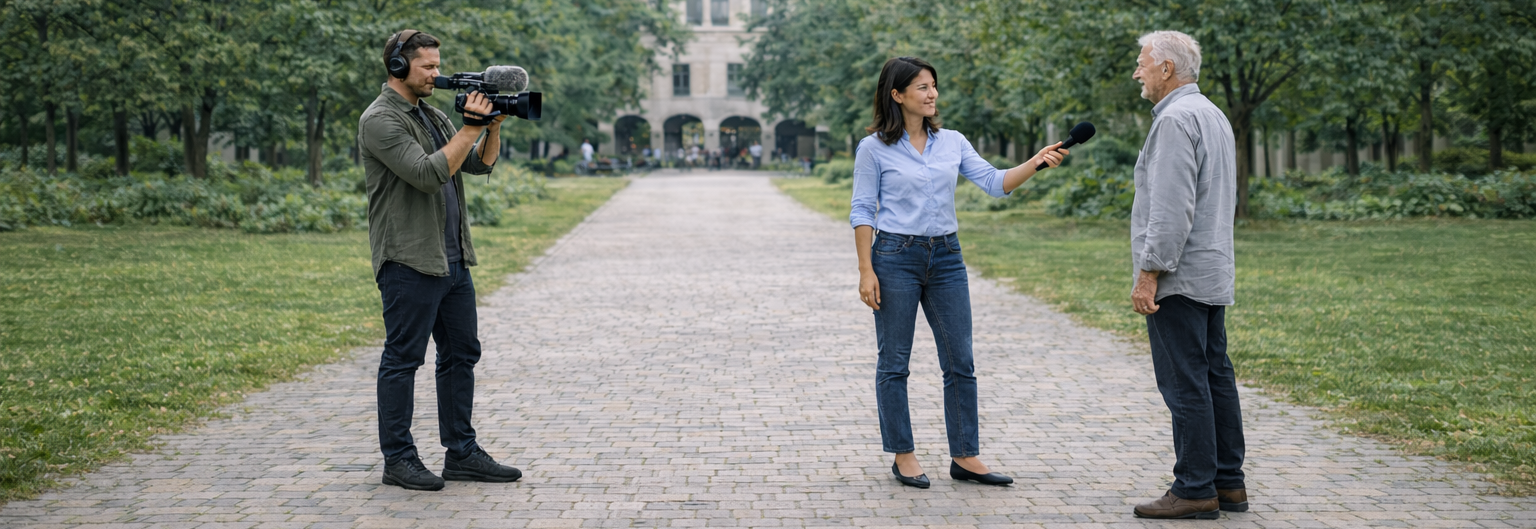
GoodHands uses media to make the mission easier to understand, to show how learning works in practice, and to provide reliable public information as the wider system develops. Media is not treated as a separate promotional layer. It supports orientation, demonstration, documentation, and outreach by giving visitors practical ways to understand how GoodHands learning, collaboration, Forum participation, Community Learning Hubs, and other mission structures fit together.
The GoodHands website remains the primary public reference. It provides the stable architecture for current organizational information, learning pathways, collaboration options, public resources, Forum information, and other material that needs context and continuity. Learning demonstrations, photographs, short videos, public updates, and external channels can then make selected parts of that system easier to see, hear, and share without replacing the website as the authoritative source.
Media should remain connected to real work. Public communication is strongest when it explains what exists, distinguishes present activity from future plans, and respects the people and independent organizations represented. The purpose is not to create constant publicity, but to help learners, local partners, potential collaborators, supporters, and the wider public understand GoodHands through clear, credible, and responsibly documented examples.
Explore the Media Area
• Media and Communication — understand how GoodHands explains, demonstrates, and documents its work while
protecting accuracy, dignity, consent, and local ownership.
• Learning Demos and Practice — see practical examples of Skills Learning, English and language learning, facilitator-
supported group sessions, Community Learning Hub activity, offline use, and real-world learning experience.
• Public and Social Channels — understand how the GoodHands website, LinkedIn, other public platforms, email, and
direct communication serve different purposes without moving mission operations into social media.
• Orientation Brief — read the introductory resource used in mission outreach to NGOs, churches, charitable
organizations,
community initiatives, foundations, and other potential network participants.
Showing How Learning Works
Written explanations are important, but practical examples can make the GoodHands model much easier to understand. A learning demonstration can show how structured lesson sequences, audio, visuals, repetition, speaking prompts, shared devices, local facilitation, and offline access work together in a way that a strategy page cannot fully convey. It can also show that effective digital learning does not require every learner to have an individual device or continuous internet access.
Demonstrations should focus on real learning behavior rather than polished presentation alone. A useful example may show how a facilitator organizes a group, how learners repeat or discuss material, how a lesson is replayed when needed, or how simple equipment is used in a community setting. These details help potential Hub Partners, Facilitators, educators, and supporters understand what implementation can look like under ordinary conditions.
As GoodHands develops, this area can expand with additional Skills examples, ESL demonstrations, facilitator guidance, Community Learning Hub experience, audio samples, photographs, short videos, and selected field documentation. New examples should be added because they improve understanding or preserve useful learning experience, not because more media automatically means greater impact.
Responsible Documentation and Mission Stories
GoodHands may document learning activity, local collaboration, organizational developments, and selected community experience when this helps others understand the mission or preserves useful implementation knowledge. A short field note, photograph, facilitator observation, or learner-group example can explain practical conditions that would otherwise remain abstract. Documentation can also help distinguish what GoodHands is actually doing from what remains a proposal or future possibility.
Public storytelling must remain factual, respectful, and proportionate. Images, recordings, quotations, and local stories should be used with appropriate permission and enough context for viewers to understand what they are seeing. Learners and local organizations should not be presented as promotional objects, and hardship should not be dramatized in order to attract attention, funding, or sympathy.
Responsible documentation also keeps local ownership visible. Community organizations remain responsible for their own work, relationships, and decisions. GoodHands media should explain how shared learning resources or collaboration contribute without implying that GoodHands controls the local organization or deserves credit for activity it does not operate.
Public Visibility Without Platform Dependence
External platforms can help new audiences discover GoodHands and remain connected, but they are not the foundation of the mission. The GoodHands website provides the stable structured reference, while LinkedIn and other public channels can support professional visibility, networking, selected updates, and low-barrier connection. This separation matters because external platforms can change their features, algorithms, access rules, or audience behavior at any time.
Public posts should therefore point toward durable information rather than become the only place where important explanations exist. Someone who first encounters GoodHands through a post or shared link should be able to continue to the website and understand the wider mission, current learning systems, Forum, collaboration pathways, and contact options in context.
Where interest becomes more concrete, communication can move to email, the Mission Outreach Network, Forum discussions, Community Learning Hub collaboration, Association information, or another appropriate pathway. Operational work, participant verification, sensitive information, document exchange, and structured partner coordination remain outside public social media so that relationships are not dependent on a platform designed primarily for public engagement.
Media Supporting Mission Outreach
Media also supports direct mission outreach. The GoodHands Orientation Brief provides a concise first introduction for organizations and individuals identified through research, trusted introductions, volunteer outreach, Facilitator relationships, professional networks, or other responsible contacts. A clear orientation resource allows a new contact to understand the mission before any discussion about a particular role or collaboration pathway.
Public media can support this process by making GoodHands easier to recognize and verify. A person may first see a learning demonstration, public resource, Forum page, or social post and then receive the Orientation Brief when deeper context becomes useful. From there, the person or organization may remain connected through the Mission Outreach Network, ask a question, or explore a more specific form of participation only where there is mutual interest.
This gradual approach avoids turning media visibility into recruitment pressure. Public communication creates awareness; orientation provides context; direct communication supports relationship development. Each stage has a different purpose and allows organizations to remain independent while deciding whether any further connection with GoodHands is relevant.
A Media System That Can Grow With GoodHands
The Media area can develop gradually as more learning demonstrations, languages, Community Learning Hubs, facilitator experience, Forum participants, and mission developments become available. Early communication may remain relatively simple: clear website explanations, a small number of useful demonstrations, selected updates, and a few well-documented local examples. That is preferable to producing large volumes of material that add little understanding.
Over time, additional formats can be introduced where they have a clear function. These may include short interviews, facilitator examples, regional learning demonstrations, audio excerpts, before-and-after explanations of improved learning resources, or field documentation that helps future partners understand practical implementation. Material can also be revisited when programs, terminology, or public facts change so that older media does not continue to circulate misleading information.
The guiding principle is consistent: explain clearly, show real learning where useful, document responsibly, and use public communication to strengthen understanding and trusted connection. Growth in the media archive should follow growth in meaningful experience, not become a separate objective.