- GoodHands International Inc
- 911 E Shannon Ct
- Venice, FL 34293
- Tel.: 941.993.5592
- E-Mail: info@goodhands.org

Media | Learning in Practice, Public Communication, and Mission Updates
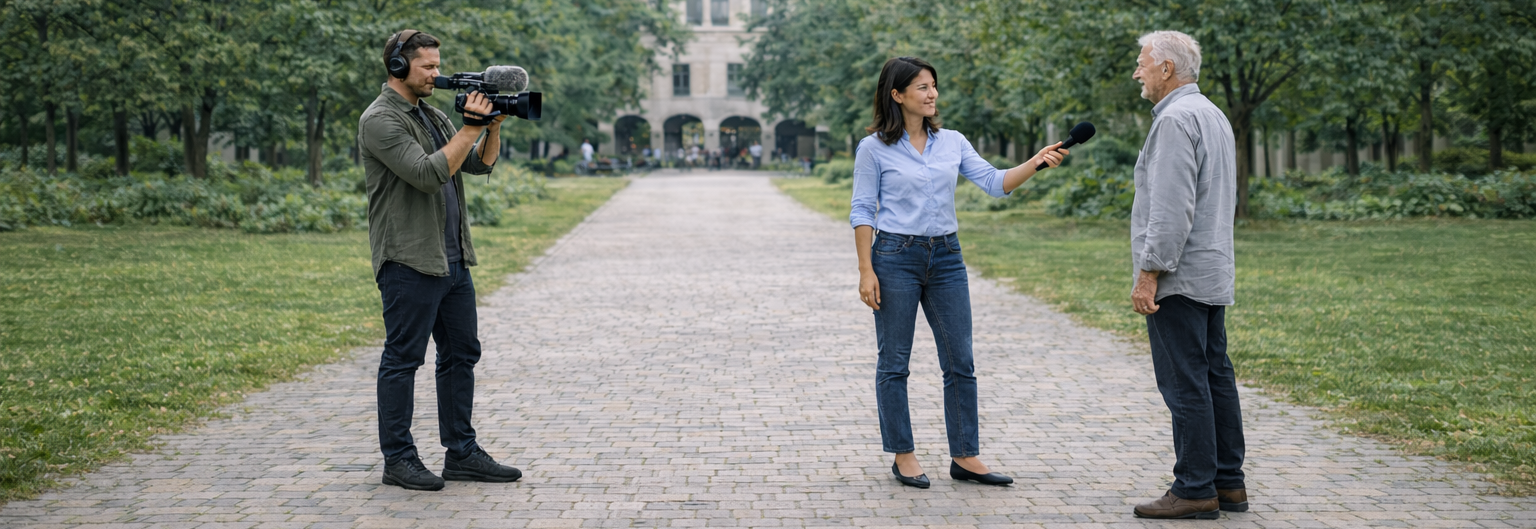
GoodHands uses media to make the mission easier to understand, to show how learning works in practice, and to provide reliable public information as the wider system develops. Media is not treated as a separate promotional layer. It supports orientation, demonstration, documentation, and outreach through clear and responsible communication.
The GoodHands website remains the primary public reference. Media pages, learning demonstrations, public updates, and external channels help different audiences understand selected parts of the mission without replacing the structured information available across the main website.
Explore the Media Area
• Media and Public Communication — understand how GoodHands explains, demonstrates, and documents its work while
protecting accuracy, dignity, consent, and local ownership.
• Learning Demos and Practice — see practical examples of Skills Learning, Language and ESL learning, facilitator-
supported group sessions, Community Learning Hub activity, offline use, and real-world learning experience.
• Public Channels and Social Media — understand how the GoodHands website, LinkedIn, other public platforms, email,
and direct communication serve different purposes without moving mission operations into social media.
• Orientation Brief — read the introductory resource used in mission outreach to NGOs, churches, charitable
organizations, community initiatives, foundations, and other potential network participants.
Showing How Learning Works
Written explanations are important, but practical examples can make the GoodHands model easier to understand. Learning demonstrations can show how structured lessons, audio, visuals, repetition, shared devices, local facilitation, and offline access work together under real community conditions.
As GoodHands develops, this area can expand with additional Skills examples, ESL demonstrations, facilitator guidance, Community Learning Hub experience, photographs, audio samples, short videos, and selected field documentation. These materials are intended to demonstrate real use rather than create exaggerated claims about impact.
Responsible Documentation and Mission Stories
GoodHands may document learning activity, local collaboration, organizational developments, and selected community experience where this helps others understand the mission. Such documentation should remain factual, respectful, and proportionate.
Images, recordings, quotes, and local stories should be used with appropriate permission and context. Learners and local organizations should not be presented as promotional objects, and hardship should not be dramatized to attract attention. Public communication should preserve dignity and make local responsibility visible.
Public Visibility Without Platform Dependence
External platforms can help new audiences discover GoodHands and remain connected, but they are not the foundation of the mission. The GoodHands website provides the stable structured reference, while LinkedIn and other public channels can support visibility, networking, selected updates, and low-barrier connection.
Where interest becomes more concrete, communication can move to email, the Mission Outreach Network, Forum discussions, Community Learning Hub collaboration, Association information, or another appropriate pathway. Operational work, verification, sensitive information, and structured partner coordination remain outside public social media.
Media Supporting Mission Outreach
Media also supports direct outreach. The GoodHands Orientation Brief provides a concise first introduction for organizations and individuals identified through research, trusted introductions, volunteer outreach, or other international contacts.
This creates a practical progression: a person or organization may first encounter GoodHands through public media, receive an Orientation Brief for deeper understanding, remain connected through the Mission Outreach Network, and explore further collaboration only where there is mutual interest and practical value.
A Media System That Can Grow With GoodHands
The Media area can develop gradually as more learning demonstrations, languages, Community Learning Hubs, facilitator experience, Forum participants, and mission developments become available. New formats should be added because they improve understanding or preserve useful experience, not simply to increase the volume of public content.
The guiding principle is simple: explain clearly, show real learning where useful, document responsibly, and use public communication to strengthen understanding and trusted connection.